
How to Choose Wire Wheels for Lowriders and Classic Cars
Choosing wire wheels for lowriders and classic cars means comparing size, spoke count, lace style, finish, fitment, adapters, knock offs, and vehicle setup before ordering.
Introduction
Choosing the right wire wheels for lowriders and classic cars is about more than picking a good-looking wheel. The right setup affects stance, fitment, driving feel, and the overall style of the build.
Whether you are working on a Chevy Impala, Chevy Caprice, Cadillac DeVille, Cadillac Fleetwood, Lincoln Continental, Buick Regal, or Oldsmobile Cutlass, wire wheels can help complete a traditional lowrider or classic custom look. Before ordering, it is important to understand wheel size, spoke count, lace style, finish, adapters, knock offs, and how your vehicle is set up.
Why Wire Wheels Are Popular on Lowriders and Classic Cars
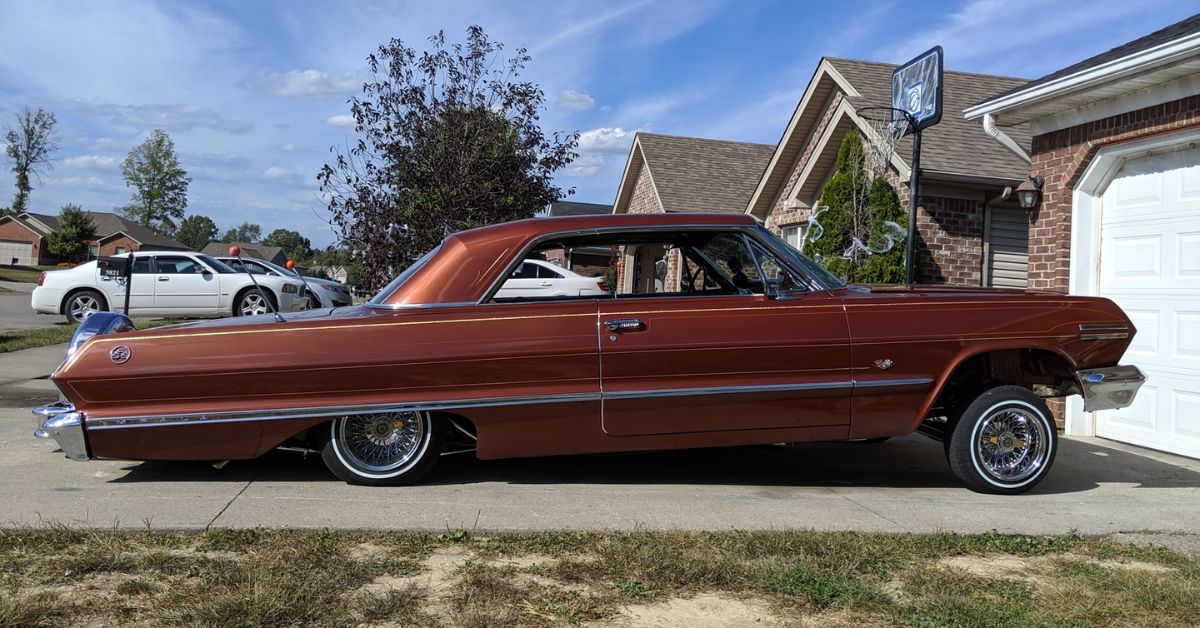
Wire wheels have been part of lowrider and classic car culture for decades because they offer a detailed, elegant appearance that works well with long body lines, chrome trim, custom paint, and lowered suspensions. On many vintage American cars, the thin-spoke design adds visual detail without taking away from the original shape of the vehicle.
Lowrider builders often choose wire wheels because they help create a period-correct look. Classic car owners may choose them to add a clean custom touch while keeping the car’s old-school personality. From boulevard cruisers to show builds, wire wheels remain a common choice for cars such as the Chevy Impala, Cadillac Fleetwood, Lincoln Continental, and Buick Regal.
Choose the Right Wire Wheel Size
Wheel size is one of the first decisions to make. Common wire wheel sizes for lowriders and classic cars include 13-inch, 14-inch, 15-inch, and larger sizes depending on the build. Smaller sizes are often associated with traditional lowrider styling, while larger sizes may be used for a more modern custom look.
When choosing size, consider the vehicle body style, suspension setup, tire size, and how low the car sits. A wheel that looks good on one car may not work the same way on another. For example, a classic Chevy Impala may use a different setup than a Cadillac DeVille or Oldsmobile Cutlass because of body clearance, brake clearance, and stance preference.
- 13-inch wire wheels are often used for traditional lowrider builds.
- 14-inch and 15-inch wire wheels can provide a slightly larger look while keeping a classic style.
- Larger wheels may require more attention to clearance, tire profile, and suspension travel.
Compare Spoke Counts
Spoke count affects both appearance and wheel detail. A lower spoke count can create a cleaner, more open look, while a higher spoke count usually gives the wheel a denser and more detailed appearance. The right choice depends on the style of the vehicle and the look you want to achieve.
For many lowriders and classic cars, 72-spoke and 100-spoke wire wheels are popular choices. A 72-spoke wheel offers a classic appearance that works well on many traditional builds. A 100-spoke wheel gives the wheel face more visual density and can look especially sharp with a polished chrome finish.
If you want a clean traditional style, 72 Straight Lace Wire Wheels are worth considering. If you prefer a more classic lowrider pattern with extra visual movement, 72 Cross Lace Wire Wheels may be a better match. For a fuller spoke appearance, 100 Straight Lace Wire Wheels can be a strong option.
Straight Lace vs Cross Lace
Lace style is another important detail when choosing wire wheels. The two common styles are straight lace and cross lace. Both can look excellent on lowriders and classic cars, but they create different visual effects.
Straight Lace Wire Wheels
Straight lace wire wheels have spokes that run in a cleaner, more direct pattern. This style can give the wheel a sleek and organized appearance. Straight lace wheels are often chosen for builds where the owner wants a crisp, simple, and polished look.
Cross Lace Wire Wheels
Cross lace wire wheels use a crossing spoke pattern that creates more depth and detail. This style is closely associated with traditional lowrider styling and can look especially good on cars with chrome trim, custom paint, or a lowered stance.
There is no single right answer between straight lace and cross lace. A Chevy Caprice or Cadillac Fleetwood may look great with cross lace wheels, while a Buick Regal or Lincoln Continental may look clean with straight lace wheels depending on the full build style.
Choose the Right Finish
The wheel finish has a major impact on the final look of the car. Chrome is one of the most common finishes for wire wheels because it matches classic trim, bumpers, and other bright details. It works well on many lowriders and vintage vehicles, especially when the car has polished accents or a show-style appearance.
Other finish choices may include gold, black, color accents, or two-tone combinations depending on the wheel design. When choosing a finish, think about the vehicle’s paint color, trim, interior, and overall theme. A chrome wire wheel can look timeless on a Chevy Impala or Cadillac DeVille, while a custom finish may work better for a more personalized build.
- Chrome offers a bright, classic look.
- Gold accents can add a traditional custom feel.
- Black or color-accented finishes may work for modern custom builds.
- Two-tone details can help match paint, trim, or interior colors.
Check Fitment Before Ordering
Fitment is one of the most important parts of buying wire wheels. Before placing an order, check the wheel size, bolt pattern, offset, backspacing, hub clearance, brake clearance, and tire size. These details help determine whether the wheel can be installed correctly on your vehicle.
Classic cars can vary by year, trim, suspension condition, brake upgrades, and previous modifications. A setup that works on one Chevy Impala may not automatically work on another. The same applies to vehicles like the Oldsmobile Cutlass, Buick Regal, Cadillac Fleetwood, and Lincoln Continental.
If the car has hydraulic suspension, air suspension, disc brake conversions, lowered springs, or custom control arms, fitment should be checked carefully. Vehicle setup affects wheel clearance during turning, lifting, lowering, and normal driving.
- Confirm your vehicle’s bolt pattern.
- Check brake and hub clearance.
- Review offset and backspacing.
- Consider suspension type and ride height.
- Make sure the tire size matches the intended setup.
Adapters and Knock Offs
Many wire wheel setups use adapters and knock offs as part of the installation. Adapters connect the wire wheel to the vehicle hub, while knock offs secure the wheel to the adapter. These parts are important for both function and appearance.
When selecting Wheel Adapters, make sure they match the vehicle bolt pattern and the wheel setup. The adapter must be correct for the application, and installation should be handled carefully. For knock offs, style and direction matter. Left-side and right-side knock offs are not always interchangeable, so the correct parts must be used.
Wire Wheel Knock Offs also contribute to the overall look of the wheel. Different designs can change the personality of the build, from clean and simple to more detailed and aggressive. Choose a style that matches the wheel design, vehicle era, and overall theme.
FAQ
What size wire wheels are best for lowriders?
Many traditional lowrider builds use 13-inch or 14-inch wire wheels, but the right size depends on the vehicle, suspension setup, tire size, and desired stance. Always confirm fitment before ordering.
Are 72-spoke or 100-spoke wire wheels better?
Neither is automatically better. A 72-spoke wheel offers a classic, clean look, while a 100-spoke wheel creates a fuller and more detailed appearance. The best choice depends on your car and style preference.
What is the difference between straight lace and cross lace?
Straight lace wheels have a cleaner spoke pattern, while cross lace wheels have spokes that cross for a more detailed traditional lowrider look. Both styles are common on classic cars and custom builds.
Do wire wheels need adapters?
Many wire wheel setups use adapters, but the exact requirement depends on the wheel design and vehicle application. Always confirm the correct adapter type, bolt pattern, and installation requirements.
Can wire wheels fit classic cars with modified suspension?
They can, but modified suspension changes clearance and fitment. Cars with hydraulics, air suspension, lowered suspension, or brake upgrades should be checked carefully before ordering wheels.
CTA
The right wire wheels can bring out the character of a lowrider or classic car while supporting the stance and style you want. Before buying, compare wheel size, spoke count, lace style, finish, fitment, adapters, knock offs, and the full vehicle setup.
Explore classic options like 72 Straight Lace Wire Wheels, 72 Cross Lace Wire Wheels, and 100 Straight Lace Wire Wheels, along with matching Wire Wheel Knock Offs and Wheel Adapters for your build.