
Chrome vs. Aluminum Wheels: A Complete Comparison
The kind of wheels you put on your ride shapes more than just your car’s appearance.
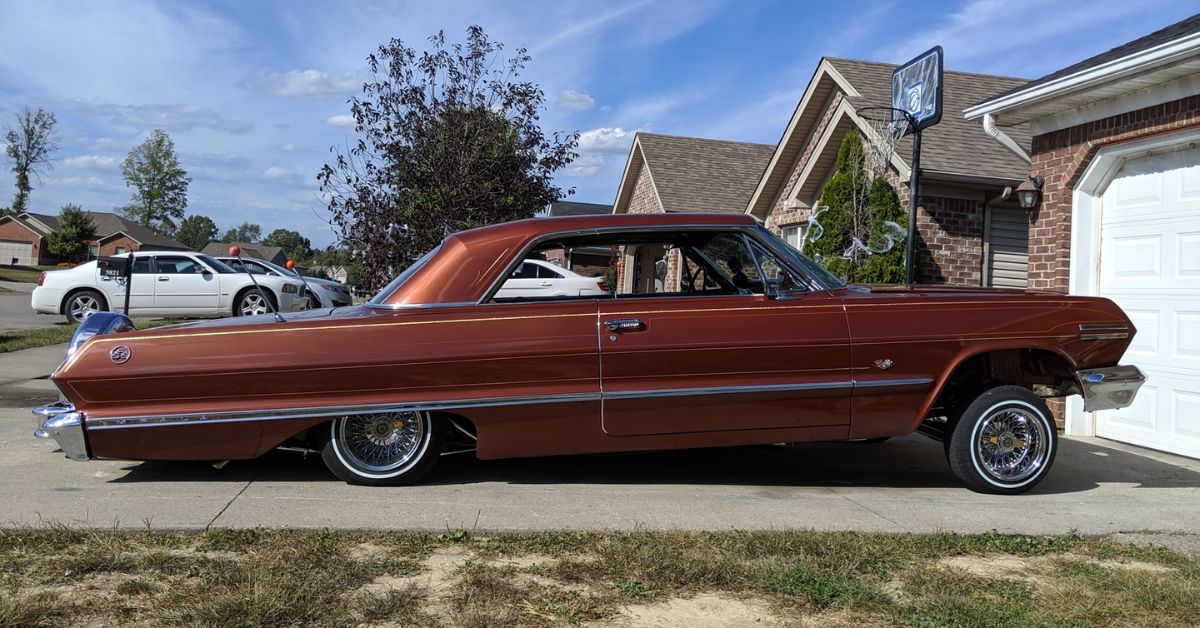
The kind of wheels you put on your ride shapes more than just your car’s appearance. When you look at chrome and aluminum wheels side by side, you realize that the decision affects maintenance, driving feel, durability, and how your build shows up at events. For lowriders and classic cars, that choice carries real weight because every detail reflects craftsmanship and heritage.
Whether you’re restoring a ‘60s classic or dialing in a weekend cruiser, understanding how each material performs helps you build something that feels right every time you hit the street.
Understanding the Differences in Materials
Chrome and aluminum wheels may look similar at first glance, but they’re built differently from the start. Chrome wheels typically begin with a steel or aluminum base, then receive layered plating, typically copper, nickel, and chrome, to create that deep, reflective finish. Aluminum wheels rely on the metal itself, often polished or coated to enhance and protect the surface.
Those differences shape both appearance and long-term behavior. Chrome delivers a slick, mirror-like surface that amplifies light, while aluminum offers a more natural finish that highlights the wheel’s form. Each material brings its own presence depending on how you want your build to come across.
For lowrider builds rooted in tradition, chrome remains a familiar choice. Aluminum offers a more understated option that still works when paired thoughtfully with a classic aesthetic.
Comparing the Visual Impact and Style
Style is where the decision gets personal. Chrome is known for its bold, high-gloss shine that reflects everything around it, turning your wheels into a focal point. It’s the kind of finish that stands out under show lights and along the boulevard.
Aluminum takes a quieter approach. Even when polished, it reflects less light and puts more focus on the structure and design of the wheel itself. That softer look can still feel refined, especially on builds that favor balance over flash.
Here’s how the two compare visually:
Chrome creates a mirror-like, high-shine finish.
Chrome enhances intricate spoke patterns and deep details.
Aluminum offers a softer, satin or polished appearance.
Aluminum emphasizes form, shape, and clean design lines.
For show-focused vehicles, chrome aligns with expectations tied to lowrider culture. Aluminum works well for builds that blend classic style with a more restrained finish.